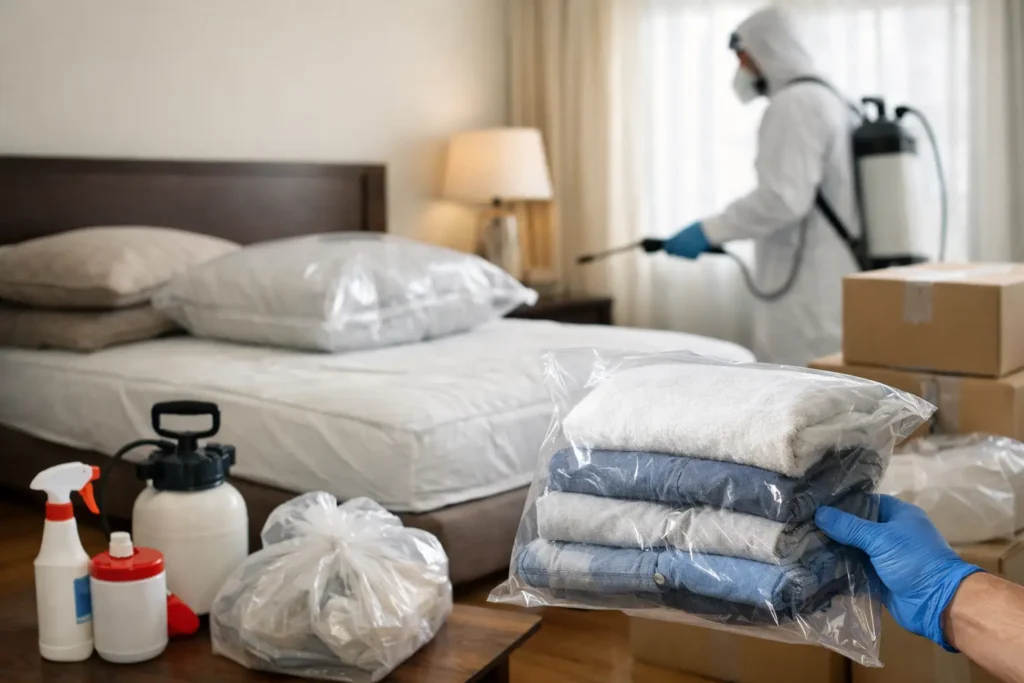
A bed bug treatment works best when technicians can reach the places bed bugs actually hide: mattress seams, furniture joints, baseboards, nearby belongings, and tight gaps around the room. Knowing how to prepare home for bedbug treatment helps make that access possible while reducing the chance of carrying bed bugs into another area of the house.
Preparation can feel like a lot when you are already dealing with an infestation. The goal is not to make your home look perfect. It is to protect clean items, reduce hiding places, and give your licensed technician a clear path to inspect and treat the affected areas thoroughly. Always follow the specific preparation instructions provided for your service, since the right steps can vary by the treatment method and the extent of the infestation.
Why Preparation Matters Before Bed Bug Service
Bed bugs are small, persistent pests that can hide well beyond the bed. They may shelter in upholstered furniture, picture frames, nightstands, loose wallpaper, laundry piles, luggage, and the cracks around a room. If a technician cannot safely access these areas, some hiding places may be missed.
Preparation also helps prevent bed bugs from spreading. Carrying loose clothing, bedding, or clutter into an unaffected bedroom can unintentionally move the problem. It is usually better to contain items, treat them as directed, and return them only after they have been handled properly.
A clear room allows your pest management professional to inspect more carefully, identify likely activity areas, and create a treatment plan based on what is happening in your home. For Maryland families, that careful process matters. A fast response is helpful, but a complete response is what helps protect your home over time.
Prepare Home for Bedbug Treatment Room by Room
Start with the room where you have seen bed bugs, bites, spotting, shed skins, or other signs of activity. Then prepare adjoining rooms and shared living spaces according to your technician’s directions. Bed bugs can travel, particularly in multi-room homes, apartments, and properties where people regularly move belongings from room to room.
Bag and Treat Bedding and Clothing
Remove sheets, pillowcases, blankets, comforters, washable mattress covers, and clothing from the affected room. Place items directly into sturdy plastic bags before carrying them through the home. Seal the bags so bed bugs cannot escape during transport.
Launder and dry items as instructed by your technician. The dryer is often a critical step, since sufficient heat can kill bed bugs and eggs on many washable fabrics. Once items are finished, place them in clean bags or sealed containers and keep them separate until your technician tells you it is appropriate to put them back.
Do not place clean laundry on an untreated bed, chair, sofa, or floor. Folding it on a clean surface and sealing it right away helps prevent re-exposure. If an item cannot be washed, ask for guidance before moving it. Some belongings may need a different handling approach.
Reduce Clutter Without Moving the Problem
Clutter gives bed bugs more places to hide and makes inspection more difficult. Pick up loose papers, toys, shoes, bags, and other items from the floor, under the bed, and around furniture. Sort items carefully rather than quickly carrying them into another room.
Use sealed bags or containers for items that must be removed from the treatment area. Label them if needed so you know what is inside. Avoid donating, giving away, or placing potentially affected items outside before receiving professional direction. That can spread bed bugs to other homes or create a problem for neighbors.
Discarding belongings is not always necessary. In many cases, items can be inspected and treated. Throwing away furniture without a plan can be expensive, can spread bed bugs while the item is moved, and may not address the pests remaining elsewhere in the room.
Clear Access Around Beds and Furniture
Move beds, nightstands, dressers, chairs, and other furniture away from walls when instructed. Leave enough open space for a technician to inspect behind, beneath, and around each piece. Remove items stored under beds, including storage bins, boxes, and extra linens.
Empty nightstands, drawers near the bed, and other furniture in the affected area if your preparation instructions require it. Put contents into sealed bags or containers rather than setting them on another bed or sofa. Technicians may need access to drawer tracks, screw holes, joints, and the underside of furniture because bed bugs often hide in narrow, protected spaces.
Do not take apart beds, remove outlet covers, or dismantle furniture unless you have been specifically asked to do so. Improper disassembly can damage property or create safety concerns. Your technician will explain what access is needed and handle the inspection process appropriately.
Vacuum Carefully, Then Contain the Contents
Vacuuming can remove some visible bed bugs, eggs, shed skins, and debris from mattress seams, bed frames, baseboards, carpet edges, and upholstered furniture. It is a useful preparation step when performed carefully, but it is not a complete solution by itself.
Use attachments to reach seams and crevices. After vacuuming, seal and dispose of the vacuum contents in an outdoor trash receptacle right away, following local disposal practices. If your vacuum has a reusable canister, empty it into a sealed bag outside and clean the canister as directed. Do not leave the vacuum indoors with collected debris still inside.
What to Do With Mattresses, Box Springs, and Upholstered Pieces
Unless your technician gives different instructions, leave mattresses and box springs in place for inspection. Strip the bed completely and remove comforters, pillows, and loose bedding. Stand mattresses or box springs up only if requested, since your treatment team may need to inspect seams, labels, handles, and the frame beneath.
Bed bug encasements may be recommended after treatment or as part of an ongoing monitoring plan. A properly fitted encasement can make inspection easier and reduce future hiding areas, but it should not be used as a substitute for professional treatment. Ask when to install one so it supports the service plan instead of interfering with inspection.
For couches, recliners, and upholstered chairs, remove loose cushions and clear nearby belongings. Avoid moving these pieces to another room. Bed bugs can hide in folds, stapled fabric, seams, and underneath the furniture, so keeping the item in its original location helps technicians assess the full situation.
Protect Children, Pets, and Everyday Essentials
Before service, remove children, pets, pet bedding, and pet supplies from treatment areas as directed. Secure food, dishes, medications, toothbrushes, baby items, and similar personal belongings according to the preparation checklist you receive. A family-conscious service plan includes clear instructions about when it is appropriate to return to treated areas.
If anyone in the home has respiratory concerns, mobility limitations, or special care needs, tell the pest management company before the appointment. The same applies if you have an infant, elderly family member, aquarium, or pets that require special planning. Sharing those details early allows the technician to provide practical, responsible guidance.
Avoid These Common Preparation Mistakes
The most common mistake is moving belongings from the affected room to a clean room without sealing and handling them first. Another is relying on store-bought products or fogging devices before the inspection. These efforts can cause bed bugs to scatter deeper into walls, furniture, or adjacent rooms, making the infestation harder to identify and control.
Do not sleep in a different room unless your technician advises it. While it may be tempting to avoid the affected bed, changing sleeping locations can draw bed bugs into new areas. Continue normal routines as much as possible while following the instructions provided for your treatment.
Also, do not clean treated surfaces or vacuum treated areas immediately after service unless you are told to do so. Some treatment methods need time to remain effective. Your technician should explain what to clean, what to leave alone, and when normal housekeeping can resume.
Plan for Follow-Up and Prevention
Bed bug control often requires more than one visit, especially when activity is established or the home has multiple affected rooms. Keep scheduled follow-up appointments, report any continued signs of activity, and avoid bringing in used furniture, mattresses, or luggage without inspecting them carefully.
After treatment, continue using sealed storage for cleaned belongings until your service professional gives the go-ahead. Monitor beds and furniture for signs such as live insects, dark spotting, shed skins, or bites that appear after sleeping. A licensed technician can help distinguish ongoing activity from signs that were present before treatment.
Q Pest Control approaches bed bug service with inspection, customized treatment, follow-up monitoring, and practical prevention guidance. A prepared home gives that process its best chance to work thoroughly. Take one room at a time, keep belongings contained, and let clear professional instructions guide every step.